A roof is more than shingles and gutters. It is the weatherproof skin that protects everything invested beneath it, from family photos to HVAC equipment to the wooden bones of the house. I have walked hundreds of roofs around Montgomery IN and beyond, and the thing that separates manageable repairs from catastrophic replacements is not luck. It is inspection. Regular inspections surface problems at a size and cost you can fix, not a size that forces you to write a check you did not plan for.
Why this matters Roofs age, materials settle, flashing shifts, and storms rearrange roofing systems in ways homeowners rarely notice from the ground. A single missed leak can soak an attic for months before staining shows on a ceiling. That slow failure ruins insulation, rots framing, and creates mold conditions that are expensive to remediate. A proactive inspection turns that slow failure into a short-term repair. For property owners in Montgomery IN, a little attention saves not just dollars, but time, stress, and the hard work of living through a major roof project.
What an inspection actually accomplishes A thorough inspection does three things. First, it documents the current condition of the roof: materials, age, weak points, and any damage. Second, it identifies immediate safety or water-entry risks that need correction now. Third, it produces a prioritized plan: what to monitor, what to repair soon, and what to budget for down the road. That plan is what makes inspections practical. You get a sequence of actions you can implement over months or years instead of reactive panic when rain starts falling through.
Common causes of avoidable roof failure From a career on roofs I have seen patterns repeat. Asphalt shingles fail at the hips and ridges where wind lifts tabs. Metal roofs corrode where dissimilar metals contact and moisture accumulates. Skylights leak because flashing was trimmed incorrectly at installation. Gutters back up when downspouts clog with leaves, and that standing water finds the weakest path into the house. Often the root cause is maintenance deferred: small issues that could have been repaired for a few hundred dollars become major failures requiring thousands.
A realistic inspection checklist Below is a practical list you can expect from a professional inspection. If you are comfortable assessing parts of it yourself, use this as a guide; if not, ask your roofing contractor to cover these points. Keep in mind that safety matters, and some checks require experience and equipment.
- look for damaged, loose, or missing shingles around hips, ridges, valleys, and roof edges inspect flashing at chimneys, vents, and skylights for cracks, gaps, or improperly set sealant check gutters and downspouts for debris, sagging sections, and secure attachments evaluate attic ventilation and insulation for signs of moisture, heat buildup, or missing baffles search for staining, soft spots, or mold on sheathing, ceilings, and rafters indicating water intrusion
How often to inspect A practical rhythm works better than strict rules. After a new roof, schedule an inspection at year one to confirm the installation settled correctly. After that, an annual inspection is sufficient for most roofs. Certain triggers demand an immediate check: wind events above 50 mph, hailstorms, fallen trees, or a major ice event. Older roofs, roofs with low slopes, or roofs that have seen multiple repairs benefit from inspections twice a year, ideally in spring and fall. For rental properties or commercial buildings, inspect on a quarterly basis or include roof checks in routine maintenance contracts.
Case study: a small repair that stopped a major loss One winter I inspected a small colonial on the south side of Montgomery. The homeowner complained of a faint musty smell in the upstairs hallway, nothing obvious on the ceiling. On the roof I found a single loose shingle at a valley intersection. The valley underlay had a small split, about two inches, hidden beneath the shingles. A quick repair, re-laying the underlayment and resetting the shingles with a bead of approved sealant, stopped the leak. Had that split progressed through freeze-thaw cycles into the sheathing, the repair would have required new decking and interior drywall replacement, easily five to ten times the cost of the quick fix. That is the kind of differential inspections buy.
What a professional inspection should not be A roof inspection is not a sales pitch dressed up as “safety advice.” A credible inspection documents findings and offers clear options: a patch that buys you two to three years, a targeted replacement of a problematic area, or a full replacement when warranted. Beware of inspections that insist on full replacement with no intermediary options, or that pressure for immediate work without showing the damage. Transparency about cost ranges, material choices, and warranty implications is part of the job.
Materials, warranties, and what they actually cover Warranties can be confusing. Manufacturer warranties typically cover defects in the product, not labor or damage from installation errors. Labor warranties come from the contractor and vary widely in length and terms. Some lifetime manufacturer warranties apply only to the original owner and do not transfer at resale. During an inspection we always review the paperwork the homeowner has: installation dates, previous repairs, and warranty documents. That context can change priorities. For example, a roof within a decade of its install with isolated hail damage might be better repaired under a manufacturer incidental coverage than replaced.
When repair is the better option There are clear trade-offs between patching and replacing. A patch is appropriate when damage is localized, the underlayment and decking are sound, and the roof has enough useful life left. It preserves budget and postpones larger expenditures. Replacement becomes the right choice when multiple patches would be needed across the roof, the underlayment shows widespread failure, or the roof is near the end of its expected service life. I prefer to show homeowners both paths with estimated costs and expected lifespans, then let them choose based on the property plan and budget.
How inspections reduce insurance headaches Insurance claims for roof damage are common after storms, yet many claims are denied if the insurer determines the damage resulted from lack of maintenance. Inspections create a documented maintenance record that supports legitimate claims. Photographing damage and logging inspection dates shows proactive stewardship. In Montgomery IN, where storms can be variable, having an inspection report proves you were not neglectful. It is not a guarantee a claim will be paid, but it significantly strengthens your position.
Addressing common objections Some homeowners say inspections are unnecessary costs. Think of them as a diagnostic tool, like an oil change for a car. The cost of a professional inspection is typically a small percentage of even a modest repair, and it comes with knowledge that lets you plan. Others worry about scams or pushy contractors. Ask for The original source references, proof of insurance, and examples of previous work. A reputable contractor will welcome questions and will be willing to explain the problem on the roof, show you photos, and provide written options.
Weather, seasonal timing, and local specifics Montgomery sees hot summers and winters with occasional ice. Thermal expansion and contraction stress roofing materials over time, and freeze-thaw cycles exploit small openings. Gutters clogged with leaves during fall contribute to ice dam formation in winter. An inspection timed for late fall after leaf drop or in early spring after winter thaw reveals problems created by seasonal cycles. For metal roofs, check for paint failure or fastener loosening; for asphalt shingles, look for granule loss in gutters which is an indicator of asphalt wear.
What to expect during the visit A professional inspection usually takes 30 minutes to two hours depending on roof size and complexity. It involves an exterior walk, a look into the attic, and photographs. The best inspections include a written summary with prioritized recommendations and estimated costs for each option. If you want, ask the contractor to explain the footage and photos on the spot so you understand the findings. We often point out specific areas and test a suspect shingle to demonstrate wind uplift or show the rot behind a vent flashing.
Hiring a roofing contractor in Montgomery IN Choose a contractor with local experience, proper licensing where applicable, and insurance. Ask about worker compensation, liability coverage, and how they handle cleanup and disposal. Local firms like Triple W Roofing LLC know the common regional issues and have established relationships with suppliers and permit offices. Price matters, but the lowest bid is not always the best option. Consider the scope, materials, warranty terms, and the clarity of the estimate. A good contractor will also provide maintenance advice you can implement yourself, such as gutter cleaning frequency or attic ventilation checks.
DIY inspections: what you can and should do Homeowners can perform a basic visual check twice a year. From the ground, use binoculars to inspect for missing shingles, nail pops, or large stains on siding near rooflines. Clear gutters and downspouts and look for granules in the trough, which indicate asphalt wear. In the attic, when safe and dry, look for daylight through the roof sheathing, mold, or damp insulation. Do not climb onto steep or wet roofs without experience and fall protection. If you find anything concerning, call a professional.
Documentation and recordkeeping Keep a folder with installation dates, inspection reports, repair receipts, and warranty documents. When selling a property, a history of regular inspections and documented repairs increases buyer confidence and can speed a sale. Insurers and lenders also respond well to detailed maintenance logs. If you contract with a roofing company, ask them to return written reports and photos after each inspection so your records are complete.
When the unexpected happens: storm response After a major storm, prioritize safety. If there are hanging limbs, power lines down, or visible structural movement, evacuate and contact emergency services. For roof damage not involving immediate hazard, document everything with photos and call your roofing contractor. A reputable Montgomery IN roofing company can provide rapid assessments, temporary tarping to prevent further water intrusion, and a written estimate for repairs. Temporary measures reduce interior damage and give time to work with insurance.
The role of ventilation and insulation An overlooked corner of roof longevity is the attic. Poor ventilation traps heat, accelerates shingle degradation, and increases cooling costs. In winter, inadequate insulation and ventilation create conditions for ice dams by allowing heat to melt snow unevenly. During an inspection we measure ventilation rates and look for blocked soffit vents, crushed baffles, or missing insulation in critical areas. Often improving ventilation and adding insulation is a cost-effective way to extend roof life while improving comfort.
How Triple W Roofing LLC approaches inspections We start with a realistic assessment: what is the immediate risk, and what can be scheduled. We photograph every suspect area and explain options in plain language. Our job is to give you choices, not to manufacture urgency. If a repair is required, we outline the timeline, materials, and warranty. For homeowners in Montgomery IN we emphasize pragmatic solutions that fit local weather and budgets. If a replacement makes sense, we help select materials that meet your aesthetic and performance needs, and we plan the work to minimize disruption.
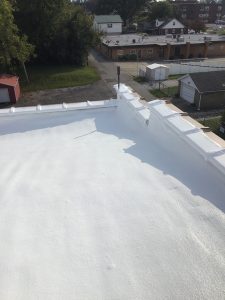
Final thoughts on stewardship A Roofing Company roof will not fix itself. Regular inspections are the cheapest way to keep roofing costs predictable, protect your investment, and avoid the cascade of damage that follows water intrusion. Whether you live in an historic bungalow or a new build, a small investment in inspection and preventive maintenance keeps the house dry and usable. Schedule an inspection after major weather events, stick to an annual routine otherwise, and keep the paperwork. It is the simplest, most effective strategy I have seen across decades of roofing work.
If you want a practical next step, request an inspection with clear deliverables: time on site, attic check, photographs, and a written plan with prioritized options. For residents of Montgomery IN looking for a local roofing contractor, Triple W Roofing LLC offers experienced inspections and straightforward recommendations. A short inspection today can prevent a long, stressful repair tomorrow.
Triple W Roofing LLC
Montgomery, IN, USA
+1 (812) 787-2599
[email protected]
Website: https://triplewroofing.com